Forklift AGV Components

Drive, Steering & Lifting Components for Forklift AGVs

JY Robot supplies drive, steering and lifting components for forklift AGV and automated forklift development. Component selection is based on wheel load, traction, steering layout, lifting requirements, voltage and installation space.

01Driven-wheel load
02Traction & gradient
03Steering architecture
04Lifting & installation
Application Engineering

Forklift AGV selection starts with load distribution and vehicle architecture.

Forklift AGVs and automated guided forklifts typically combine high wheel loads, repeated acceleration and braking, tight turning requirements and pallet-handling functions. The drive system should therefore be sized from the actual load on each driven wheel, required tractive force and chassis geometry rather than payload alone.

JY Robot supplies the mobility and lifting components used by equipment manufacturers and system integrators. We do not supply complete forklift AGV vehicles.

Start with wheel load, traction, steering geometry and installation envelope.
Component Architectures

Drive and lifting options for forklift AGV projects.

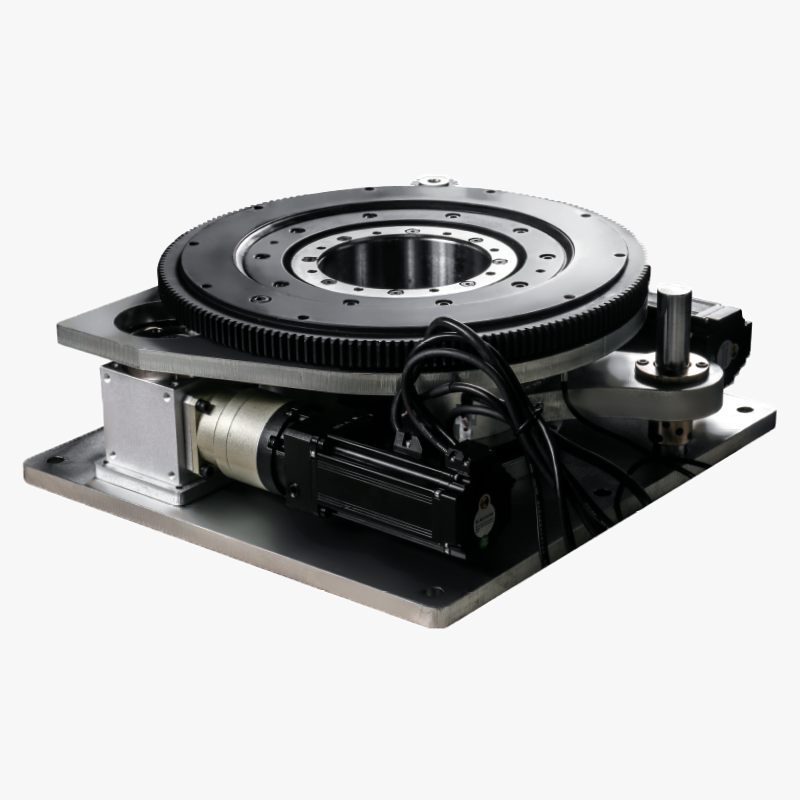
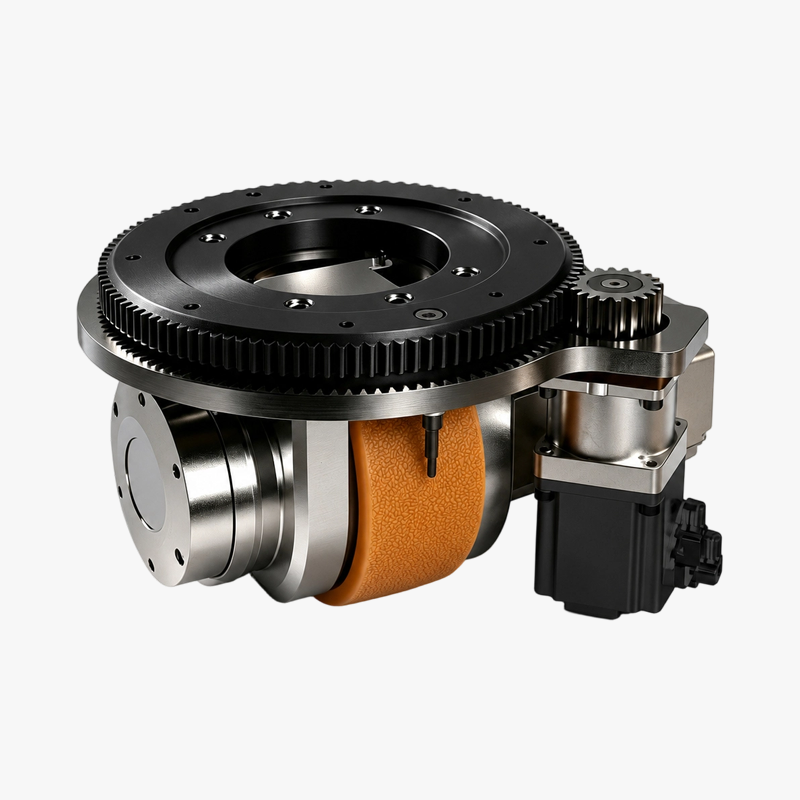
Heavy-duty AGV drive-steering unit
OPTION 01

Heavy-Duty Drive-Steering Unit

For chassis layouts requiring independent wheel direction and traction control. The current double-sided horizontal drive-steering family covers load capacities from approximately 800 to 6,000 kg with 48 VDC and 96 VDC configurations.
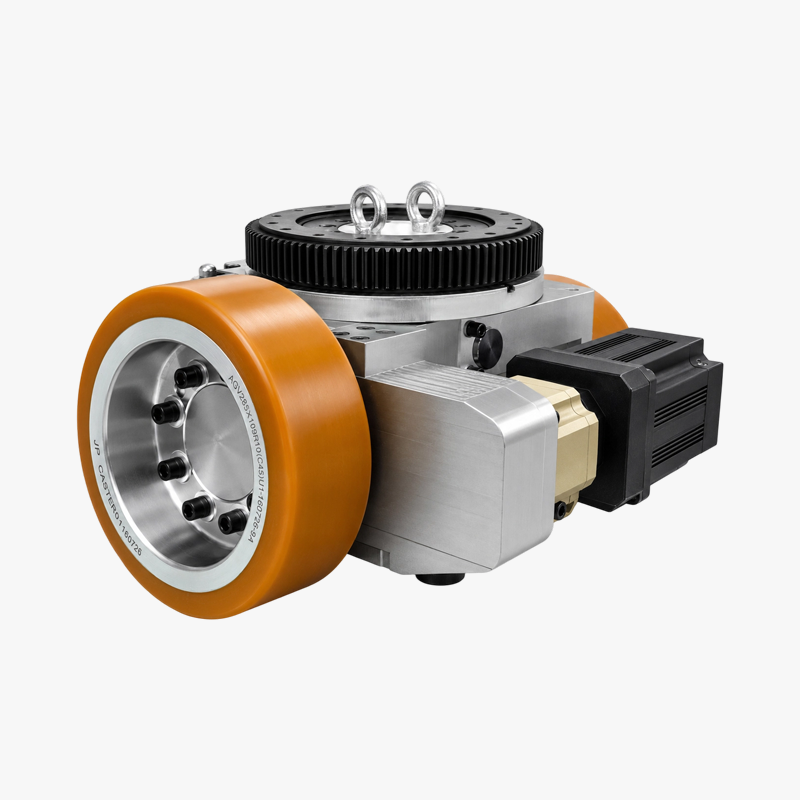
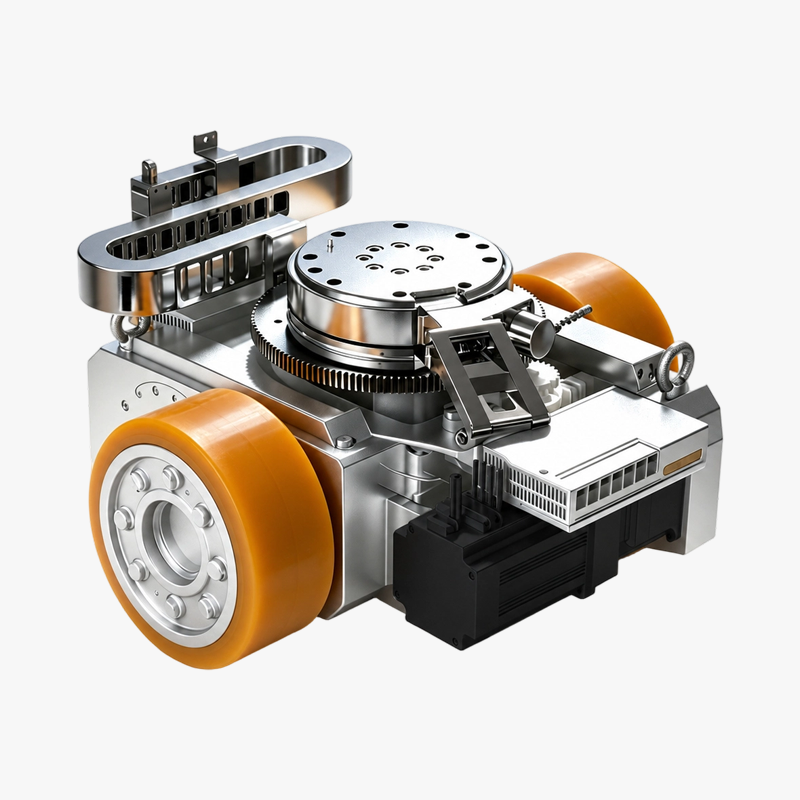
Heavy-duty differential drive module
OPTION 02

Differential Drive Module

Twin independently driven wheels can provide pivot-turning capability without a separate steering axis. JY Robot's heavy-duty differential drive family covers platforms from approximately 1 to 8 tons with 48 VDC drive configurations.

Hydraulic lifting differential drive module
OPTION 03

Hydraulic Lifting Differential Drive

For heavy mobile platforms that need travel and lifting functions in one drive architecture, the hydraulic lifting differential family provides another option for high-load material-handling applications.

Ball screw lifting module
OPTION 04

Ball Screw Lifting Module

Where controlled vertical lifting or transfer-height adjustment is required, JY Robot ball screw lifting modules provide an electromechanical lifting option. The current family covers approximately 200–2,000 kg rated load and 50–100 mm stroke.

Engineering Selection

Calculate wheel load and tractive force before choosing motor power.

Gross vehicle weight alone is not enough to size a forklift AGV drive unit. Battery location, payload position, wheelbase and chassis geometry determine how much load is carried by each driven wheel.

Use our AGV wheel load and tractive force calculation guide before final drive selection.

Selection Process

Four decisions before finalising a forklift AGV drive system.

Confirm the mechanical architecture before final motor, wheel and controller selection.
STEP 01Calculate driven-wheel load
STEP 02Define traction and gradient
STEP 03Select steering architecture
STEP 04Confirm voltage, control and space
Information Required

What to provide for forklift AGV component selection.

Please provide vehicle self-weight, maximum payload, wheelbase, wheel arrangement, expected load on each drive wheel, target speed, acceleration, maximum gradient, floor condition, battery voltage, communication interface, lifting requirement and installation envelope.

See our AGV steering drive selection guide and lifting architecture comparison.

Forklift AGV Project Support

Need help matching the drive, steering and lifting architecture?

Send your vehicle load, speed, gradient, voltage and installation-space requirements. We can help narrow down a practical component configuration.

For other AGV and AMR applications, return to our AGV & AMR Application Solutions.

Discuss Your Project